


Health, Safety & Chemistry
Bringing scientific precision to critical decisions


Why it matters
Environmental risk reaches the executive agenda
EHS risks increasingly influence operational continuity, regulatory exposure and stakeholder confidence. When environmental data, chemical complexity or regulatory interpretation are misunderstood, the consequences can escalate quickly across operations, threatening reputations, stakeholder trust and asset value.
Regulatory expectations are also evolving rapidly. Organizations must interpret new requirements, address emerging contaminants and maintain environmental compliance while supporting business growth and operational performance.
Effective environmental risk management requires defensible data, rigorous analysis and clear regulatory interpretation. With the right environmental advisory support, organizations can identify risks earlier, strengthen compliance strategies and support climate disclosure consulting and sustainability reporting guidance.
By understanding environmental conditions and regulatory expectations early, leaders can make informed decisions that protect people, assets and long-term business performance.


Environmental science delivering real-world results
Identified contaminant sources across complex groundwater systems
Stabilized compliance across multi-site industrial operations
Resolved emerging contaminant risks through advanced chemistry
Strengthened federal environmental compliance across regulated portfolios
Delivered defensible data for regulatory and legal scrutiny
Enabled credible climate disclosure and sustainability reporting
Health, Safety & Chemistry Solutions

Chemistry Consulting
Onterris provides chemistry consulting that helps teams trust the data they use to make critical environmental and business decisions.

Health & Safety
Onterris helps organizations protect workers, improve safety execution, and strengthen operational resilience through integrated health and safety services.

Industrial Hygiene
Industrial hygiene plays a critical role in helping organizations understand risk, strengthen compliance and protect people in demanding operating environments.

EHS&S Management Information Solutions (EMIS)
Environmental, Health, Safety & Sustainability (EHS&S) programs depend on systems that turn requirements, data and workflows into consistent action.
Scientific depth. Practical direction.
Integrated science, regulatory expertise and advisory insight help organizations understand environmental risk, strengthen compliance and deliver lasting impact.

Explore Related Content

How to Build a Measurement Strategy that Withstands Regulatory Evolution
A framework for chemical manufacturers to assess environmental monitoring technologies based on the decisions they support, risks they reduce and value they create

Rethinking Emissions Monitoring as a Tool for Operational Assurance
Temp CEMS and FTIR: A practical example of how chemical manufacturers can turn emissions data into faster, more informed decisions.

Landfill Gas Is the Ultimate Test of Environmental Maturity
Elevated landfill methane emissions can signal more than a gas problem. Learn how operators can connect methane data with liquids, cover and site operations.

California SB 1137: Why Early Planning is Crucial for Oil and Gas Operators
Learn how California oil and gas operators can prepare for SB 1137 with early sampling, air dispersion modeling, EDS planning and a defensible LDRP.

CERCLA Liability Exemptions for Brownfield Buyers
Learn which CERCLA liability exemptions and defenses may apply to brownfield owners, and why due diligence, AAI and documentation still matter.

Building Environmental Certainty Before Shovels Hit the Ground
Early environmental insight helps project teams manage compliance risk, use resources more efficiently and build greater cost and schedule certainty into project delivery
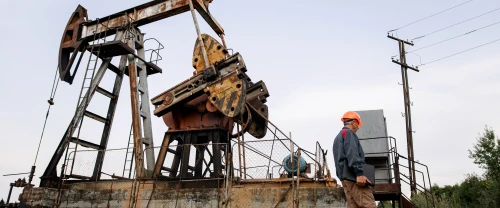
Marcellus Gas: Environmental Data & Market Access
Explore how Marcellus gas operators can connect methane monitoring, environmental data and operations to build buyer confidence and support market access.

California AB 28 Becomes Law: What Landfill Operators Need to Prepare for
New notification, investigation and corrective action requirements create a statewide framework for identifying and managing subsurface elevated temperature events at certain California landfills.

How Ambient Air Monitoring Provides Context and Transparency for Data Centers
Ambient air monitoring helps data center developers establish pre-construction air quality baselines, track changing conditions and contribute to greater environmental transparency throughout the project lifecycle

Future-Proofing Semiconductor Fabrication: Managing PFAS Risk Without Sacrificing Uptime
The right treatment strategy can help semiconductor manufacturers control PFAS risk without disrupting production

A Smarter Air Permitting Strategy for a Texas Refinery
Strategic planning creates a more efficient permitting pathway and keeps critical refinery modernization on schedule

AFFF Transition Is Not Just a Foam Swap
Removing legacy foam without addressing residual contamination, system compatibility and waste management creates serious operational and environmental risks long after the changeout is complete

Odor Complaints Need Chemistry
Odor complaints often begin with someone reporting a smell in the environment: rotten eggs, chemical-like or something foul

“Just-in-Time” Compliance: The Hidden Risk Building in Legacy Environmental Programs
Teams in asset-intensive industries now need to recognize indicators of operational risk long before compliance brings them into view

Designing a Modern LDAR Program: Why Compliance Alone Is No Longer Enough
The best LDAR programs no longer ask, “Are we compliant?” They ask, “What are our emissions telling us about our operation?”