


Contaminated Land & Remediation
Restoring land for safe, compliant future use


INTRO
Unlocking land value through environmental clarity
Historic industrial activity, aging infrastructure and legacy waste disposal can leave contaminants in soil and groundwater that affect redevelopment feasibility, regulatory compliance and long-term asset value. These impacts can delay projects, increase financial liability and create uncertainty for developers, asset owners and public agencies.
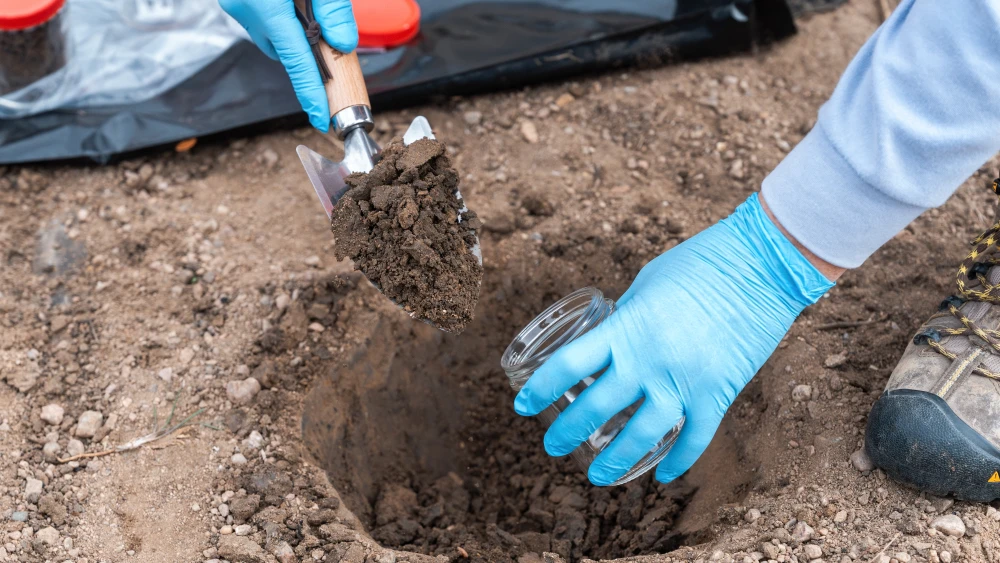
Clear environmental understanding is essential. Environmental site assessments and investigation programs define the nature and extent of impacts across soil, groundwater, surface water, sediment and vapor pathways. Integrated field programs, laboratory testing and analysis and environmental modeling help organizations get a clear understanding of contaminant behavior, evaluate risk pathways and establish defensible evidence for regulators, investors and stakeholders.
With reliable data as the foundation, we develop and implement practical risk-based remediation strategies that support effective contaminated site management, helping organizations manage environmental liability, achieve site closure goals, reduce liability, enable brownfield redevelopment and infrastructure investment, and return impacted land to safe, productive use that supports community renewal.

Start the conversation
Contaminated land challenges affect industries where historic operations, infrastructure and redevelopment pressures intersect with environmental responsibility and regulatory oversight.
Why it matters
Contaminated land challenges extend far beyond the project site
Developers, asset owners and public agencies rely on clear environmental evidence to define risk and determine the most appropriate path forward for contaminated land. Clear environmental site assessments and modeling enable development of practical, risk-based approaches to manage environmental liabilities efficiently.
Defensible data supports regulatory engagement, financing decisions and community confidence. With a clear understanding of site conditions and contaminant behavior, organizations can manage environmental liability, design effective remediation programs and move redevelopment projects forward with greater certainty.
Defensible data supports regulatory engagement, financing decisions and community confidence. With a clear understanding of site conditions and contaminant behavior, organizations can manage environmental liability, design effective remediation programs and move redevelopment projects forward with greater certainty.


Solutions
Strengthening redevelopment outcomes
and environmental accountability
Clarify environmental liability and contamination conditions across complex sites
Enable brownfields redevelopment and recovery of underused land value
Reduce environmental risk and long term liability exposure
Support faster pathways to regulatory closure and land reclamation
Deliver defensible environmental data for investment and redevelopment decisions
Return contaminated land to safe, productive and compliant use
Contaminated Site & Remediation Solutions


Scientific insight guiding remediation from investigation to closure
Our integrated strategies generate defensible evidence, guide risk-based remediation decisions, and support regulatory closure across complex contaminated land and brownfield redevelopment projects.
Explore Related Content

CERCLA Liability Exemptions for Brownfield Buyers
Learn which CERCLA liability exemptions and defenses may apply to brownfield owners, and why due diligence, AAI and documentation still matter.

Ontario O. Reg. 406/19: 2027 Excess Soil Rules
Ontario’s excess soil landfill restriction takes effect Jan. 1, 2027. Learn how O. Reg. 406/19 affects reuse planning, QP support and project schedules.

Building Environmental Certainty Before Shovels Hit the Ground
Early environmental insight helps project teams manage compliance risk, use resources more efficiently and build greater cost and schedule certainty into project delivery

Can Environmental Programs Keep Pace with Production in the Permian Basin?
Learn how leading operators are building connected, defensible programs that scale with today’s operations and tomorrow’s opportunities

Keeping Sydney Metro West Tunnelling On Track With Audit-Backed Environmental Delivery
A multi-site investigation, remediation and validation program aligned with NSW EPA accredited Site Auditor review cycles enables construction teams to progress safely and confirm site suitability

Before You Buy a Brownfield: Keep the Bona Fide Prospective Purchaser Defense Intact
Environmental liability protection begins with thorough pre-acquisition due diligence, but preserving that protection requires buyers to actively manage environmental obligations after closing.

The Legal Case for Early Environmental Expertise
For companies in high-impact industries, bringing external environmental and legal insight into their decision-making early can strengthen cross-functional coordination and turn environmental performance into a strategic advantage

Brownfields After the BIL Funding Peak: What EPA’s Planning Signals Reveal About 2027
Opportunity remains with U.S. EPA Brownfields Funding, but fiscal year 2027 will reward communities that combine disciplined planning, evidence-based decision-making and strong execution

EPA’s Coal Ash Proposal Creates a New Decision Point for Utilities
The U.S. Environmental Protection Agency (EPA)’s proposed rule could give power generators more room to make site-specific closure decisions. The opportunity is real, but only for utilities that can support their position with clear data, sound judgment and a defensible record.

Hydrocarbon Forensics: Cracking the Code
Distinguish fuel releases, crude oil spills, manufactured gas plant residues and background hydrocarbons with forensic chemistry

Brownfield Due Diligence: AAI & Phase I ESA
Learn how All Appropriate Inquiries (AAI) and a current Phase I ESA help brownfield buyers manage CERCLA liability before closing and after acquisition.

Strengthening Superfund Data Confidence Through Chemist-Led Validation
Early chemist review proactively elevated data quality by confirming that automated quality control matched the method intent, a step beyond standard practice, adding an extra layer of assurance

Precise Site Investigations Proactively Reveal Redevelopment Risks
Advanced technologies and targeted material characterization help uncover hidden site conditions and manage environmental liabilities before brownfield redevelopment begins

Why Early Site Due Diligence Matters for Greenfield Renewable Projects
For renewable energy developers, early assessments identify environmental risk and set the foundation for successful, sustainable and cost-saving developments

Stay Ahead of PFAS in Canada: Strategies for Environmental Professionals
Turn complexity into opportunity with these proactive strategies