


Planning, Preparedness, Response & Recovery
Building readiness for decisive environmental action


Why it matters
Every second changes the outcome
Environmental incidents evolve rapidly. Every delay can escalate operational disruption, regulatory exposure and environmental harm. Early uncertainty, incomplete data and fragmented coordination can quickly complicate response efforts and prolong recovery.
Climate volatility, aging infrastructure and system failures are no longer isolated threats. They can simultaneously affect assets, supply chains, worker safety, community health and public confidence. As operational systems become more interconnected, consequences ripple across organizations faster and at greater scale. What begins as a localized event can become a broader organizational challenge, extending across operations, finances and reputations.
The expectations surrounding environmental performance have also intensified. Regulators, insurers and stakeholders increasingly demand demonstrable preparedness, supported by defensible environmental data and disciplined incident management.
In high-consequence environments, structured readiness and decisive execution are critical to containing impact, maintaining trust and stabilizing outcomes.


How we protect performance across the incident lifecycle
Reduce environmental liability and litigation exposure
Stabilize events rapidly to accelerate operational recovery
Embed defensible, regulator-credible environmental data into response decisions
Strengthen preparedness through structured planning, training and coordinated response frameworks
Safeguard worker, community and ecosystem health
Control escalating costs following unforeseen environmental events
Planning, Preparedness, Response & Recovery Solutions



Science, strategy and response working as one
Our environmental scientists, response specialists and strategic advisors work cross-functionally to prepare organizations, guide decisive action during incidents and support recovery with credible data.

Explore Related Content

California El Niño: Regulatory Guidance for Emergency Stream and Channel Work
Prepare for California El Niño impacts with guidance on emergency stream and channel work, regulatory coordination, documentation and response planning.

When Landfills Run Hot: Why Leachate Strategy Matters
Learn how elevated temperature landfills can change leachate chemistry, treatment needs and costs and why early characterization and contingency planning matter.

Air Release Incidents: A Facility’s First Estimate Shapes What Follows
The first emissions estimate can influence regulatory, legal and public outcomes long after the release ends

Preparedness Starts Before the Incident
Organizations that invest in readiness respond faster, safer and with greater confidence

Long-Term Housing Planning Is Key to Successful Disaster Recovery
Housing decisions shape recovery long before rebuilding begins

Air Permitting for Data Centers: What Determines Your Timeline
How location, power generation and the regulatory landscape affect data center air permits
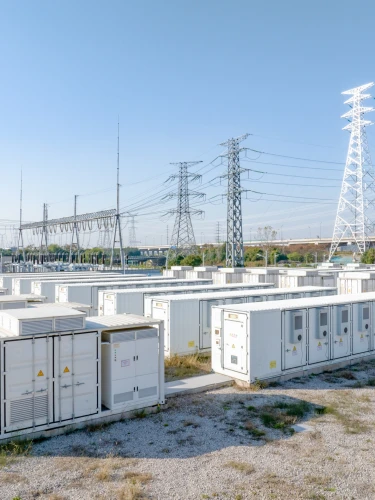
Battery Storage Is Becoming the Grid’s Reliability Backbone
Speed will strengthen reliability and flexibility will drive long-term advantage

Designing a Resilient Transit Line for a Changing Climate
Early climate risk planning aligned designers, constructors and operators on practical adaptations that protect a major transit investment over the long term

Modernizing a National Railroad’s Environmental Audit Program
A risk-based, controls-focused audit redesign improved visibility into compliance risks, strengthened accountability and supported more confident environmental, health and safety decision-making

Coordinating a Coastal Pipeline Response
Integrated incident command and real-time monitoring enable safe response and defensible cleanup decisions

Restoring Brownfields and Preserving Cultural Heritage at Embreeville Park
A coordinated cleanup, demolition and funding strategy cleared legacy risk, protected sensitive cultural resources and set the site up for long-term community use

Defending Community Air Quality for Clark County
VOC fingerprinting and lab validation identify wildfires as a driver of air quality exceedances