


Stack Testing and Source Emissions Testing Services
Defensible emissions data for permitting and audit readiness


why it matters
Stack testing that stands up to scrutiny
- Tightening federal, state and local requirements
- Data that holds up to regulatory scrutiny and audits
- Consistent methods across facilities and vendors
- Lower risk from delayed or uncertain results

Keep Data Center Start-ups On Track With Onterris
Onterris combines air permitting, stack testing and ongoing emissions support through one coordinated team, helping owners, developers and operators bring data centers online quickly, maintain compliance and operate efficiently throughout their lifecycle. Learn more.
Delivering Accurate Emissions Data to Support Compliance and Operational Confidence
Onterris helps clients plan, execute and document stack testing programs that generate defensible emissions data, support regulatory compliance and inform operational decision-making across routine and complex source testing scenarios.

Client Challenges We Solve

Emissions Compliance Testing
Verifying compliance with accurate stack testing data

Temporary CEMS and FTIR Emissions Monitoring
Delivering real-time emissions insight for complex compliance programs

Power Start-Ups and Commissioning Source Testing
Accelerating complex start-up and commissioning projects with defensible emissions data

Engine, Boiler & Combustion Source Testing
Optimizing combustion performance with defensible emissions data

Data Center Emissions Compliance
Keep data center start-ups on track

Pulp, Paper & Wood Products Stack Testing
Stack testing that keeps your facility moving
Related Services


Explore Related Content

Turning Methane Data into Better Operational and Business Decisions
Using defensible methane data to prioritize action, improve performance and demonstrate value

How to Build a Measurement Strategy that Withstands Regulatory Evolution
A framework for chemical manufacturers to assess environmental monitoring technologies based on the decisions they support, risks they reduce and value they create

Rethinking Emissions Monitoring as a Tool for Operational Assurance
Temp CEMS and FTIR: A practical example of how chemical manufacturers can turn emissions data into faster, more informed decisions.

Landfill Gas Is the Ultimate Test of Environmental Maturity
Elevated landfill methane emissions can signal more than a gas problem. Learn how operators can connect methane data with liquids, cover and site operations.

California SB 1137: Why Early Planning is Crucial for Oil and Gas Operators
Learn how California oil and gas operators can prepare for SB 1137 with early sampling, air dispersion modeling, EDS planning and a defensible LDRP.

Your Bottling Plant Measures Almost Everything. Why Not CO2 Loss?
Tracking carbon dioxide (CO₂) loss helps plants reduce emissions, prioritize repairs and protect margins

When Landfills Run Hot: Why Leachate Strategy Matters
Learn how elevated temperature landfills can change leachate chemistry, treatment needs and costs and why early characterization and contingency planning matter.
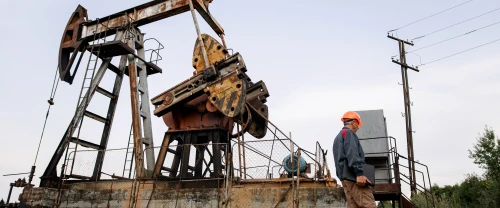
Marcellus Gas: Environmental Data & Market Access
Explore how Marcellus gas operators can connect methane monitoring, environmental data and operations to build buyer confidence and support market access.
How Ambient Air Monitoring Provides Context and Transparency for Data Centers
Ambient air monitoring helps data center developers establish pre-construction air quality baselines, track changing conditions and contribute to greater environmental transparency throughout the project lifecycle

A Smarter Air Permitting Strategy for a Texas Refinery
Strategic planning creates a more efficient permitting pathway and keeps critical refinery modernization on schedule

The Industrial Wastewater Paradigm Shift: From Treatment to Resource Recovery
Why forward-thinking industries are transforming wastewater from a compliance cost into a strategic source of water, energy and valuable materials

Odor Complaints Need Chemistry
Odor complaints often begin with someone reporting a smell in the environment: rotten eggs, chemical-like or something foul

“Just-in-Time” Compliance: The Hidden Risk Building in Legacy Environmental Programs
Teams in asset-intensive industries now need to recognize indicators of operational risk long before compliance brings them into view

Designing a Modern LDAR Program: Why Compliance Alone Is No Longer Enough
The best LDAR programs no longer ask, “Are we compliant?” They ask, “What are our emissions telling us about our operation?”

Preparing for the 2026 PCWP NESHAP Amendments
New emissions compliance requirements mean additional planning and action for new and existing plywood, composite wood product and kiln-dried lumber facilities