


Community Resiliency
Maintaining stability across essential systems


Why it matters
Environmental stress reveals how systems truly perform
Environmental conditions increasingly test how infrastructure, services and organizations perform under real-world pressures. Extreme weather, environmental contamination, degraded air and water quality and resource constraints can expose weaknesses across interconnected systems.
Organizations responsible for critical infrastructure must understand how these factors interact across operations, assets and the surrounding environment. Without this insight, vulnerabilities remain hidden until disruption occurs.
Climate impact assessments and climate-related risk consulting help identify exposure, prioritize mitigation measures and guide informed investment decisions.
At the same time, regulatory expectations and funding programs continue to expand. Federal climate rules advisory and climate adaptation planning help organizations prepare for evolving requirements while strengthening risk management.
With a structured climate resilience strategy in place, organizations can reduce disruption, recover faster and deliver lasting progress.

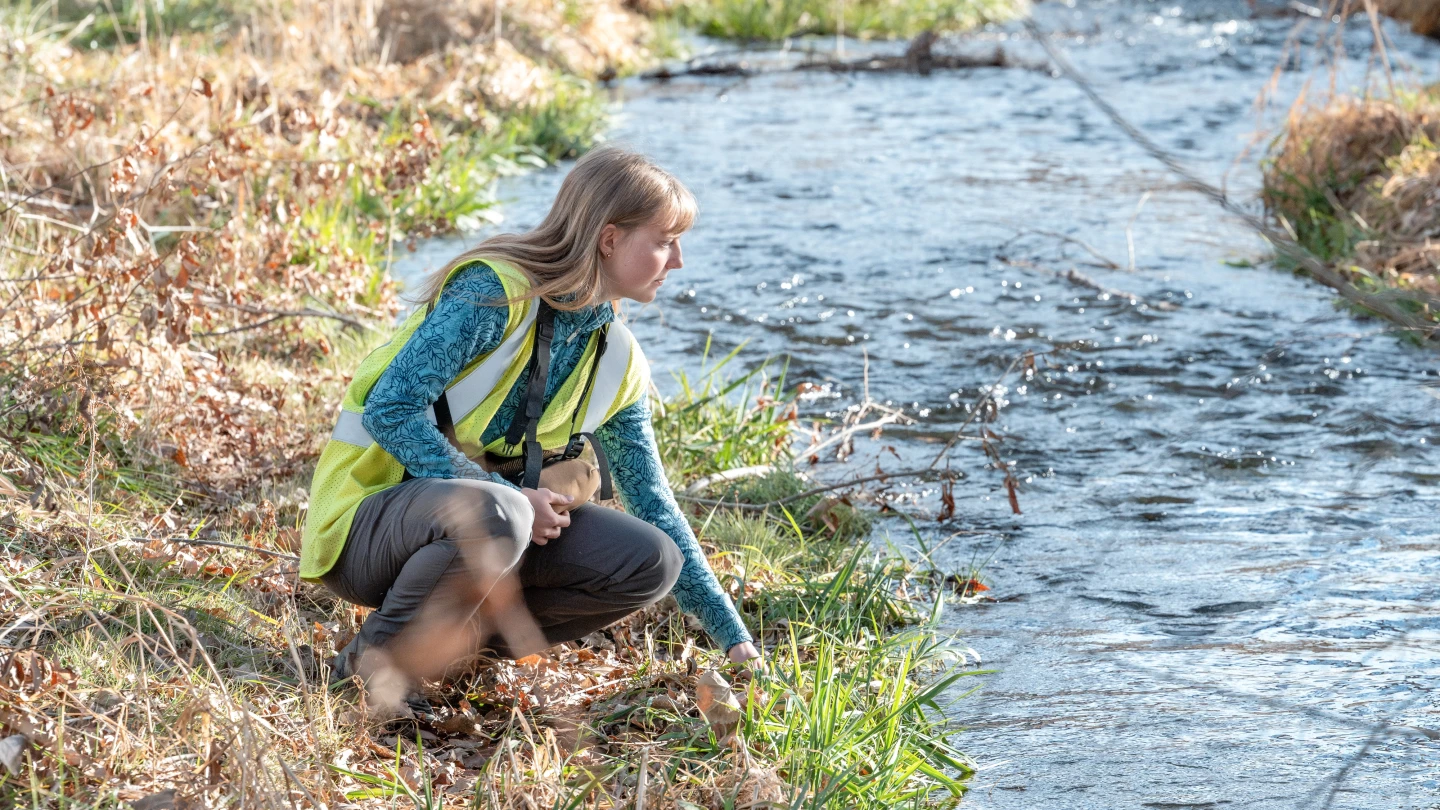
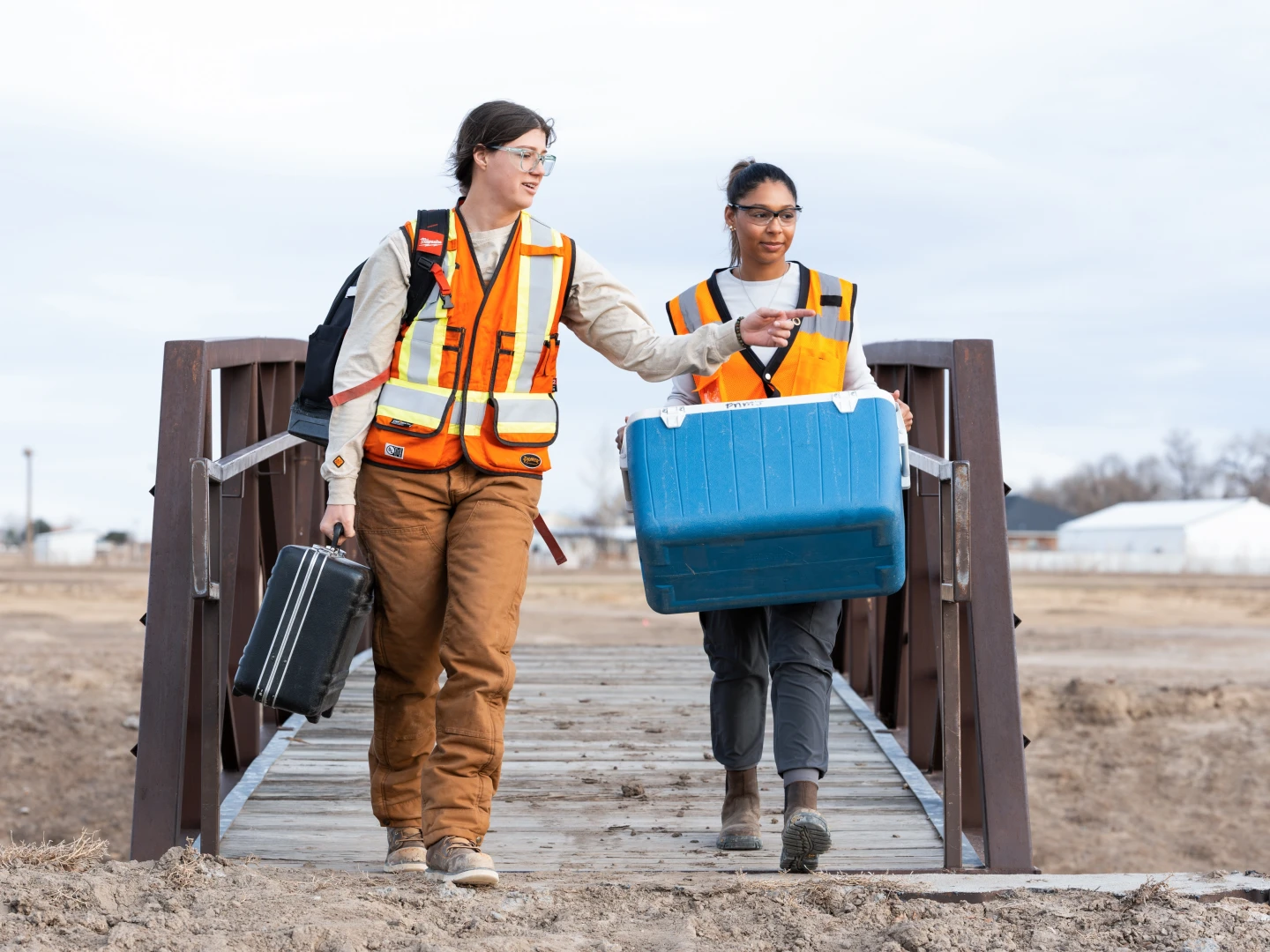
Proof that stronger systems are possible
Restored environmental safety following major industrial incident
Strengthened flood readiness across regional transportation networks
Secured federal funding for environmental improvement programs
Identified system vulnerabilities across critical infrastructure networks
Protected drinking water sources through climate adaptation planning
Accelerated recovery following environmental contamination events
Science, planning and delivery working together
Our scientific insight, practical planning and coordinated delivery help organizations understand environmental risk, strengthen preparedness and build systems that perform under pressure.

Better prepared. Faster recovery.
Practical capabilities that help organizations anticipate disruption, strengthen environmental preparedness and recover quickly when critical systems are tested.
Environmental vulnerability and system risk assessments
Multi-hazard environmental risk and exposure analysis
Community environmental quality and health assessments
Preparedness, mitigation and resilience planning
Environmental regulatory readiness and compliance support
Emergency and environmental incident response planning
Adaptive environmental monitoring systems and dashboards
Environmental exposure and public health science support
Scenario planning and disruption preparedness exercises
Climate risk and extreme weather impact assessments
Explore Related Content

California Proposition 45: Proposed Changes to CEQA Review for Qualifying Development Projects
The November ballot measure would amend the California Environmental Quality Act (CEQA) to establish a new pathway intended to expedite environmental review for qualifying projects, but key implementation questions remain

Rebuilding Highway 8 for a Changing River
See how Onterris helped rebuild Highway 8 along the Nicola River with climate-resilient bridge design, hydrotechnical engineering and habitat enhancements.

CERCLA Liability Exemptions for Brownfield Buyers
Learn which CERCLA liability exemptions and defenses may apply to brownfield owners, and why due diligence, AAI and documentation still matter.

Where Environmental Commissioning Creates Value in Digital Infrastructure: Closing the Gap Between Construction and Operations
Critical digital infrastructure has a critical gap

Brownfields After the BIL Funding Peak: What EPA’s Planning Signals Reveal About 2027
Opportunity remains with U.S. EPA Brownfields Funding, but fiscal year 2027 will reward communities that combine disciplined planning, evidence-based decision-making and strong execution

Long-Term Housing Planning Is Key to Successful Disaster Recovery
Housing decisions shape recovery long before rebuilding begins

Designing a Resilient Transit Line for a Changing Climate
Early climate risk planning aligned designers, constructors and operators on practical adaptations that protect a major transit investment over the long term

Smarter Monitoring Delivers Healthier Air for Milpitas
Rapid mobile lab deployment provides speciated analysis, turning community odor reports into targeted mitigation

Restoring Taylor-Massey Creek: A Blueprint for Urban Renewal
Nature-based design and partnership create lasting benefits for the community and environment

Revitalizing the St. Johnsbury Armory Into a Modern Public Service Hub
Targeted remediation, selective demolition and funding alignment preserves historic façade while accelerating the development of flexible community space


Enhancing Connectivity in Beverly Hills with Real-Time Environmental Oversight
A continuous field presence and live monitoring keep impacts managed, information shared and coordination steady as construction advances toward the 2028 Olympics and beyond

Accelerating Brownfield Readiness Across Remote Former Defense Sites
Grant strategy and field execution advanced cleanup planning for World War II legacy contamination on Alaska Native Corporation lands

Safeguarding Water Security in Clarence Valley
Collaborative technical studies and community engagement secured approval for a resilient water treatment upgrade

Fast-Tracking Regional Climate-Resilient Road Recovery Across Northern NSW
A coordinated approvals program kept priority road and bridge works moving while protecting local waterways and biodiversity