


Leak Detection and Repair (LDAR) & Fugitive Emissions Management
Finding and addressing leaks before they become compliance or community concerns


why it matters
Keeping fugitive emissions controlled across complex assets
- Large numbers of valves, connectors, pumps and process components requiring inspection
- Increasing regulatory scrutiny around methane and VOC emissions
- Reporting complexity slows compliance and decision making
- Leaks drive product loss, reputational risks and potential safety hazards
Managing fugitive emissions with comprehensive LDAR and methane monitoring programs
Onterris helps clients design, implement and optimize LDAR and methane monitoring programs that align regulatory requirements with operational realities, delivering accurate emissions data, streamlined compliance workflows and improved environmental performance across facilities.

Areas of Expertise
Specialized LDAR expertise for regulatory readiness
Explore our leak detection and fugitive emissions capabilities that support confident regulatory decision making. Don’t see what you’re looking for? Reach out to learn about our full suite of air testing services.
Related Services

Explore Related Content

How to Build a Measurement Strategy that Withstands Regulatory Evolution
A framework for chemical manufacturers to assess environmental monitoring technologies based on the decisions they support, risks they reduce and value they create

Rethinking Emissions Monitoring as a Tool for Operational Assurance
Temp CEMS and FTIR: A practical example of how chemical manufacturers can turn emissions data into faster, more informed decisions.

Landfill Gas Is the Ultimate Test of Environmental Maturity
Elevated landfill methane emissions can signal more than a gas problem. Learn how operators can connect methane data with liquids, cover and site operations.

California SB 1137: Why Early Planning is Crucial for Oil and Gas Operators
Learn how California oil and gas operators can prepare for SB 1137 with early sampling, air dispersion modeling, EDS planning and a defensible LDRP.

Your Bottling Plant Measures Almost Everything. Why Not CO2 Loss?
Tracking carbon dioxide (CO₂) loss helps plants reduce emissions, prioritize repairs and protect margins

When Landfills Run Hot: Why Leachate Strategy Matters
Learn how elevated temperature landfills can change leachate chemistry, treatment needs and costs and why early characterization and contingency planning matter.
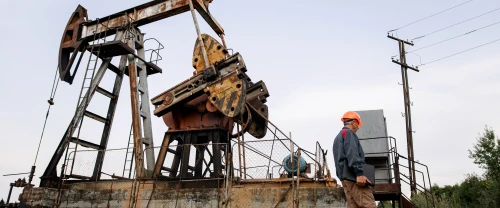
Marcellus Gas: Environmental Data & Market Access
Explore how Marcellus gas operators can connect methane monitoring, environmental data and operations to build buyer confidence and support market access.

How Ambient Air Monitoring Provides Context and Transparency for Data Centers
Ambient air monitoring helps data center developers establish pre-construction air quality baselines, track changing conditions and contribute to greater environmental transparency throughout the project lifecycle

A Smarter Air Permitting Strategy for a Texas Refinery
Strategic planning creates a more efficient permitting pathway and keeps critical refinery modernization on schedule

The Industrial Wastewater Paradigm Shift: From Treatment to Resource Recovery
Why forward-thinking industries are transforming wastewater from a compliance cost into a strategic source of water, energy and valuable materials

Odor Complaints Need Chemistry
Odor complaints often begin with someone reporting a smell in the environment: rotten eggs, chemical-like or something foul

“Just-in-Time” Compliance: The Hidden Risk Building in Legacy Environmental Programs
Teams in asset-intensive industries now need to recognize indicators of operational risk long before compliance brings them into view

Designing a Modern LDAR Program: Why Compliance Alone Is No Longer Enough
The best LDAR programs no longer ask, “Are we compliant?” They ask, “What are our emissions telling us about our operation?”

Preparing for the 2026 PCWP NESHAP Amendments
New emissions compliance requirements mean additional planning and action for new and existing plywood, composite wood product and kiln-dried lumber facilities

Why the AFFF Transition Is Becoming a Major Engineering and Liability Test
As fluorine-free foam becomes the industry standard, facility operators are finding that the real challenge is not choosing a replacement, but addressing what legacy systems reveal during the transition.