


Government
Environmental compliance, permitting and scientific expertise supporting federal agencies, defense installations and public infrastructure programs from planning through long-term stewardship.


INTRO
High-stakes decisions demand environmental certainty
Government agencies make environmental decisions that influence infrastructure resilience, public health, natural resources and community confidence. Federal programs must meet strict regulatory requirements while delivering critical services and long-term stewardship of public assets.
Our specialists support agencies with environmental compliance, permitting, scientific investigation and risk management, providing the evidence and clarity needed to guide decisions that shape the public future.
Our specialists support agencies with environmental compliance, permitting, scientific investigation and risk management, providing the evidence and clarity needed to guide decisions that shape the public future.
Why it matters
Environmental scrutiny of government decisions has never been greater
Government agencies operate under growing environmental scrutiny from regulators, communities and oversight bodies. Federal programs must meet statutory obligations while delivering infrastructure, national security and public services.
Frameworks such as the National Environmental Policy Act (NEPA), Clean Air Act, Clean Water Act and Resource Conservation and Recovery Act (RCRA) require defensible data, careful planning and consistent compliance. Agencies must also address emerging contaminants, climate risk and aging public infrastructure.
Without clear environmental insight, projects stall, costs increase and public confidence erodes. Effective environmental governance enables agencies to meet obligations, protect communities and deliver programs with transparency, accountability and long-term stewardship.


Turning environmental evidence into confident government action
Our multidisciplinary teams combine environmental science, regulatory expertise and operational experience, transforming complex environmental data into clear guidance for government programs and decisions.
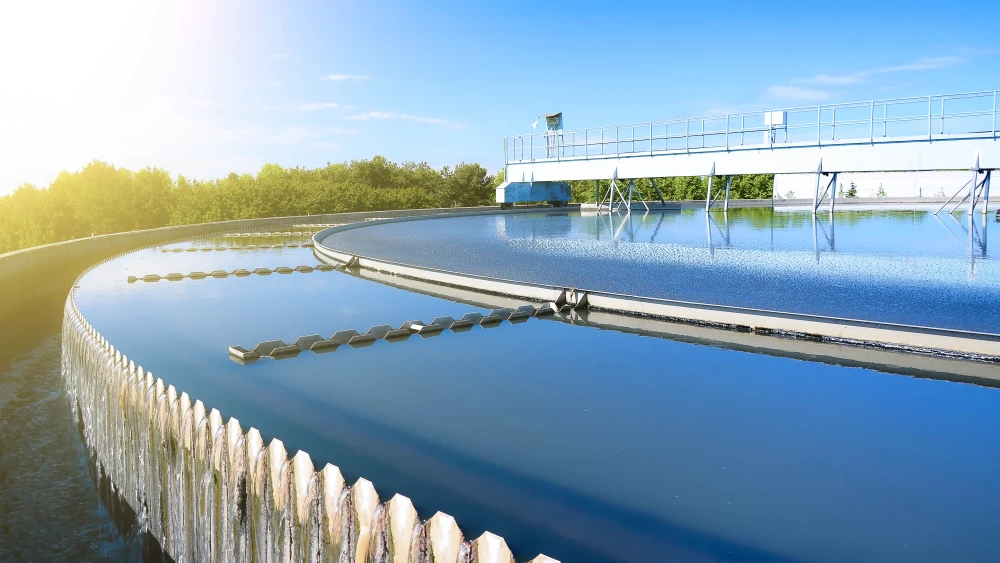
Expertise for responsible government action
Explore our environmental services and solutions that support government agencies from compliance and permitting through long-term stewardship of public resources.
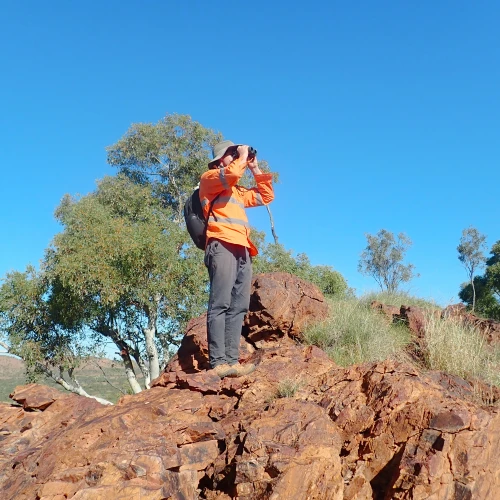
Permitting & Compliance
Working through air, water and land permitting requirements and building compliance programs that hold up under regulatory review, across regulated industries.



Health, Safety & Chemistry
Bringing scientific precision to critical decisions

Emerging Contaminants
Identify, assess and manage PFAS and other emerging contaminants with advanced science, regulatory insight and integrated environmental solutions.
Sector leader
Meet your Government sector leader
Connect with our government specialists to strengthen federal programs, infrastructure and public mission outcomes.


Government Spotlight

California El Niño: Regulatory Guidance for Emergency Stream and Channel Work
Prepare for California El Niño impacts with guidance on emergency stream and channel work, regulatory coordination, documentation and response planning.

CERCLA Liability Exemptions for Brownfield Buyers
Learn which CERCLA liability exemptions and defenses may apply to brownfield owners, and why due diligence, AAI and documentation still matter.

Ontario O. Reg. 406/19: 2027 Excess Soil Rules
Ontario’s excess soil landfill restriction takes effect Jan. 1, 2027. Learn how O. Reg. 406/19 affects reuse planning, QP support and project schedules.

Odor Complaints Need Chemistry
Odor complaints often begin with someone reporting a smell in the environment: rotten eggs, chemical-like or something foul

Why Consistent Implementation Is the Real Test of Disaster Recovery Policy
U.S. GAO report demonstrates how inconsistent implementation can undermine disaster recovery programs

Keeping Sydney Metro West Tunnelling On Track With Audit-Backed Environmental Delivery
A multi-site investigation, remediation and validation program aligned with NSW EPA accredited Site Auditor review cycles enables construction teams to progress safely and confirm site suitability

Critical Thinking in Data Validation: How Small Errors Can Have Big Impacts
Critical thinking and professional judgment help uncover small data issues before they become costly project risks

Before You Buy a Brownfield: Keep the Bona Fide Prospective Purchaser Defense Intact
Environmental liability protection begins with thorough pre-acquisition due diligence, but preserving that protection requires buyers to actively manage environmental obligations after closing.

Brownfields After the BIL Funding Peak: What EPA’s Planning Signals Reveal About 2027
Opportunity remains with U.S. EPA Brownfields Funding, but fiscal year 2027 will reward communities that combine disciplined planning, evidence-based decision-making and strong execution

Turning Odor Signals Into Operational Intelligence
For solid waste and wastewater treatment facilities, real-time odor monitoring connects complaints, weather, operations and chemical data so teams can act faster

U.S. Courts Challenge Federal Permitting Delays for Renewable Energy Projects
Court ruling curbs procedural delays as power demand surges

Protect Data Integrity with Historical Review
Reveal contamination, sample switches and other errors that compliant laboratory data may still miss

Delivering A PFAS Treatment Solution For Sydney Water
Rapid PFAS treatment deployment enables Australia’s largest water utility to meet drinking water guidelines and build community trust

Brownfield Due Diligence: AAI & Phase I ESA
Learn how All Appropriate Inquiries (AAI) and a current Phase I ESA help brownfield buyers manage CERCLA liability before closing and after acquisition.

Strengthening Superfund Data Confidence Through Chemist-Led Validation
Early chemist review proactively elevated data quality by confirming that automated quality control matched the method intent, a step beyond standard practice, adding an extra layer of assurance