Who We Are
Onterris is a global environmental solutions company partnering with organizations to solve complex challenges where environmental pressures, regulatory expectations and operational risks intersect.
Sectors
Access deep environmental expertise tailored to your industry, with solutions built for real-world conditions.
Solutions
Prepare for escalating environmental risks with expert solutions designed to perform under pressure.
Our Thinking
Explore briefs, perspectives and articles that turn insight into action. Discover thought leadership that informs decisions and drives impact. See the ideas shaping environmental solutions and guiding your next move.
Cuture & Careers
Where brilliant people come together to turn environmental science into real-world progress for communities, industry and the planet.

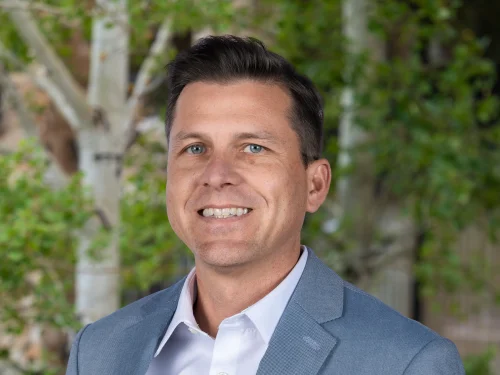
Nathan Koonce, PhD

Project Toxicologist

About Dr. Koonce

Dr. Nathan A. Koonce is a Project Toxicologist with more than 10 years of experience in applied toxicology, regulatory research and product safety. He supports private and public sector clients with environmental toxicology, risk assessment of complex substances, regulatory strategy and the development of alternative testing approaches.

At Onterris, Dr. Koonce applies this expertise to toxicological evaluations, product safety assessments, regulatory strategy and litigation support. He develops environmental sampling and analysis plans, interprets complex toxicological data and contributes to international consensus standards and alternative testing strategies. As a member of the Onterris Toxicology Emergency Response Program (TERP), he leads air monitoring and environmental sampling teams during chemical emergencies, providing critical data to support worker and community safety. His experience bridges laboratory science, regulatory frameworks and field operations to help clients address complex environmental and occupational health challenges.

Dr. Koonce earned a Bachelor of Arts (B.A.) in Chemistry from the University of Arkansas, a Master of Science (M.S.) in Pathology and a Doctor of Philosophy (Ph.D.) in Interdisciplinary Biomedical Sciences from the University of Arkansas for Medical Sciences. His doctoral research focused on novel theranositcs, examining vascular hypoxia and its implications for human health. He completed his postdoctoral training at the National Center for Toxicological Research and subsequently stayed on as a staff scientist for 10 years where his research focused on safety and efficacy of emerging therapeutics, safety of consumer products, and safety of novel food additives.

Dr. Koonce is a member of the Society of Toxicology and the American Industrial Hygiene Association. He has contributed to over 20 research publications and served as a reviewer for peer-reviewed journals.


Related Content

Can You Trust the Environmental Data Behind Your Next Decision?

Eight questions for chemical and industrial environmental compliance leaders to pressure-test environmental data evidence before the next reporting, permitting or planning decision

What Makes an Effective Industrial Hygiene Program?

From identifying workplace hazards to verifying controls, a structured industrial hygiene program helps facilities prioritize risks and make informed safety decisions

From Data Centers to Global LNG Markets: The Growing Role of Certified Natural Gas

As buyers seek greater emissions transparency, verified methane performance is becoming a commercial consideration for natural gas suppliers and an increasingly important factor in the future of energy markets

Five Fundamentals of a World-Class Methane Management Program

Connecting defensible data, targeted measurement and operational practices to manage emissions and improve performance

Turning Methane Data into Better Operational and Business Decisions

Using defensible methane data to prioritize action, improve performance and demonstrate value

How to Build a Measurement Strategy that Withstands Regulatory Evolution

A framework for chemical manufacturers to assess environmental monitoring technologies based on the decisions they support, risks they reduce and value they create

Rethinking Emissions Monitoring as a Tool for Operational Assurance

Temp CEMS and FTIR: A practical example of how chemical manufacturers can turn emissions data into faster, more informed decisions.

Landfill Gas Is the Ultimate Test of Environmental Maturity

Elevated landfill methane emissions can signal more than a gas problem. Learn how operators can connect methane data with liquids, cover and site operations.

California El Niño: Regulatory Guidance for Emergency Stream and Channel Work

Prepare for California El Niño impacts with guidance on emergency stream and channel work, regulatory coordination, documentation and response planning.

California SB 1137: Why Early Planning is Crucial for Oil and Gas Operators

Learn how California oil and gas operators can prepare for SB 1137 with early sampling, air dispersion modeling, EDS planning and a defensible LDRP.