


Chemicals

Canada’s Federal VOC Regulations: What Facility Operators Need to Prioritize
Federal VOC Regulations Phase 2 focus on emissions from petroleum liquid storage tanks and loading racks, with phased requirements now in effect for affected facilities.

Future-Proofing Semiconductor Fabrication: Managing PFAS Risk Without Sacrificing Uptime
The right treatment strategy can help semiconductor manufacturers control PFAS risk without disrupting production

A Smarter Air Permitting Strategy for a Texas Refinery
Strategic planning creates a more efficient permitting pathway and keeps critical refinery modernization on schedule

AFFF Transition Is Not Just a Foam Swap
Removing legacy foam without addressing residual contamination, system compatibility and waste management creates serious operational and environmental risks long after the changeout is complete

The Industrial Wastewater Paradigm Shift: From Treatment to Resource Recovery
Why forward-thinking industries are transforming wastewater from a compliance cost into a strategic source of water, energy and valuable materials

Odor Complaints Need Chemistry
Odor complaints often begin with someone reporting a smell in the environment: rotten eggs, chemical-like or something foul
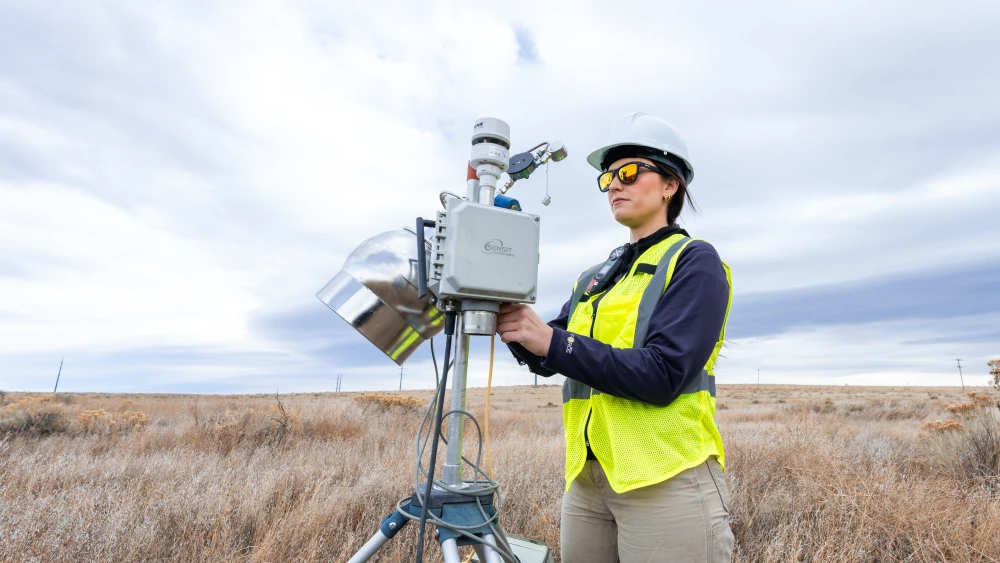
“Just-in-Time” Compliance: The Hidden Risk Building in Legacy Environmental Programs
Teams in asset-intensive industries now need to recognize indicators of operational risk long before compliance brings them into view

Designing a Modern LDAR Program: Why Compliance Alone Is No Longer Enough
The best LDAR programs no longer ask, “Are we compliant?” They ask, “What are our emissions telling us about our operation?”

Why the AFFF Transition Is Becoming a Major Engineering and Liability Test
As fluorine-free foam becomes the industry standard, facility operators are finding that the real challenge is not choosing a replacement, but addressing what legacy systems reveal during the transition

Strengthening PFAS Data Integrity Through Stage 4 Data Validation
Rigorous data review can uncover issues that summary reports do not show, protecting data integrity across the project lifecycle