



Methane
Combining defensible data, scientific interpretation and advanced measurement technologies so complex assets, facilities and infrastructure can operate with confidence.


INTRO
From measurement to management, from detection to disclosure.
Methane emissions originate from equipment leaks, venting systems and combustion processes that vary across assets and facilities. Addressing them requires accurate detection, precise quantification and rigorous analysis of measurement data.
As an integrated team, we combine field expertise, advanced sensing technologies and an unrivaled understanding of methane regulations to deliver solutions grounded in real operating conditions. Our approach connects site-level measurement with corporate commitments, helping organizations perform responsibly and consistently.
As an integrated team, we combine field expertise, advanced sensing technologies and an unrivaled understanding of methane regulations to deliver solutions grounded in real operating conditions. Our approach connects site-level measurement with corporate commitments, helping organizations perform responsibly and consistently.
Why it matters
Methane emissions are a defining challenge for responsible operations worldwide
Methane emissions are coming under increasing scrutiny from regulators, investors and the public. Expectations for transparency and accountability are rising across industrial, waste and infrastructure systems where methane is produced, transported and managed.
Regulatory frameworks and voluntary initiatives are accelerating this shift. Programs such as the Environmental Protection Agency (EPA) methane rule, Subpart W greenhouse gas reporting requirements, and the Oil and Gas Methane Partnership (OGMP) 2.0 initiative are driving greater scrutiny of emissions data and disclosure.
Organizations must demonstrate credible methane management and transparent reporting to maintain regulatory confidence, strengthen stakeholder trust and secure long-term operational progress.
Regulatory frameworks and voluntary initiatives are accelerating this shift. Programs such as the Environmental Protection Agency (EPA) methane rule, Subpart W greenhouse gas reporting requirements, and the Oil and Gas Methane Partnership (OGMP) 2.0 initiative are driving greater scrutiny of emissions data and disclosure.
Organizations must demonstrate credible methane management and transparent reporting to maintain regulatory confidence, strengthen stakeholder trust and secure long-term operational progress.
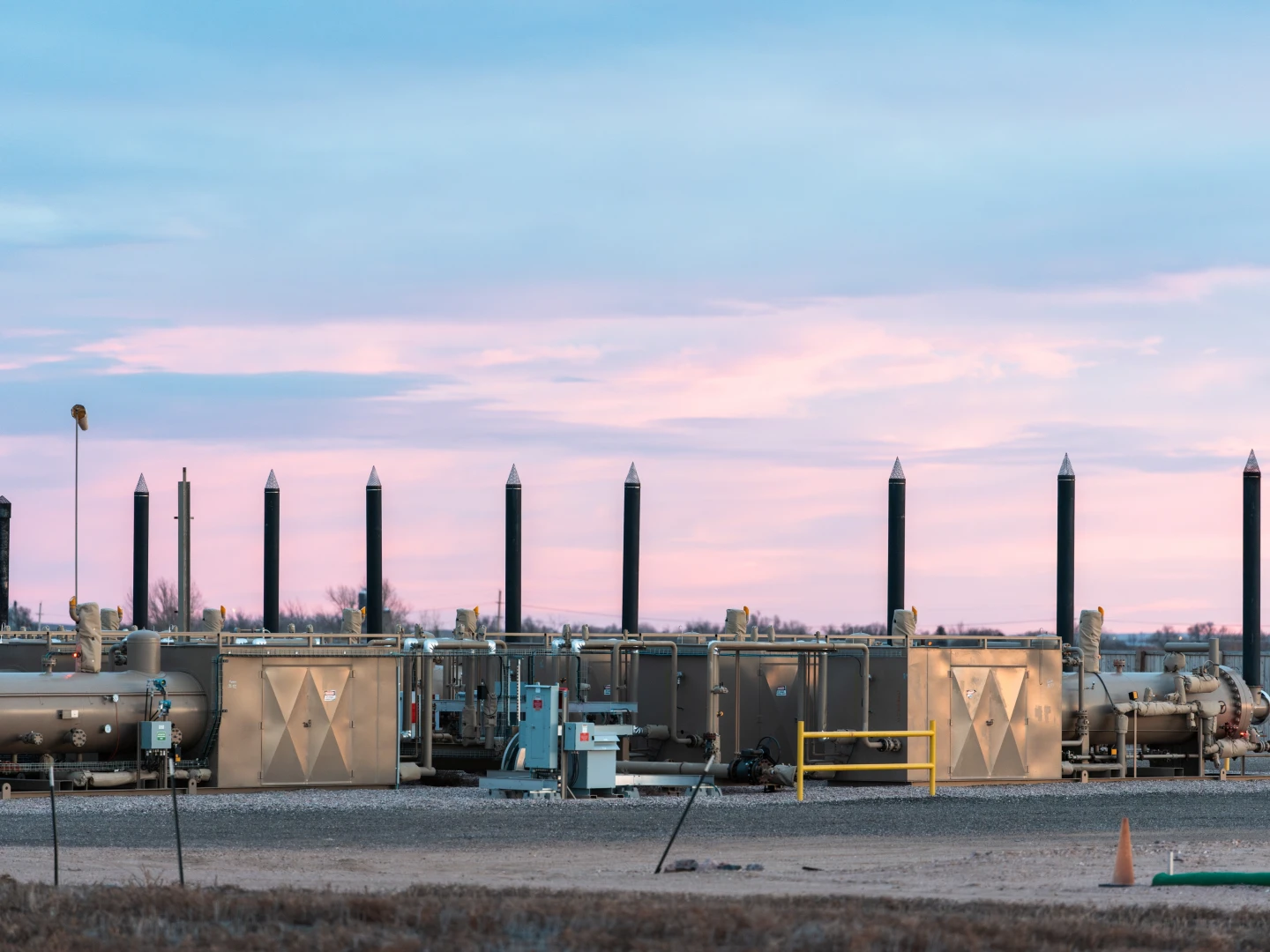
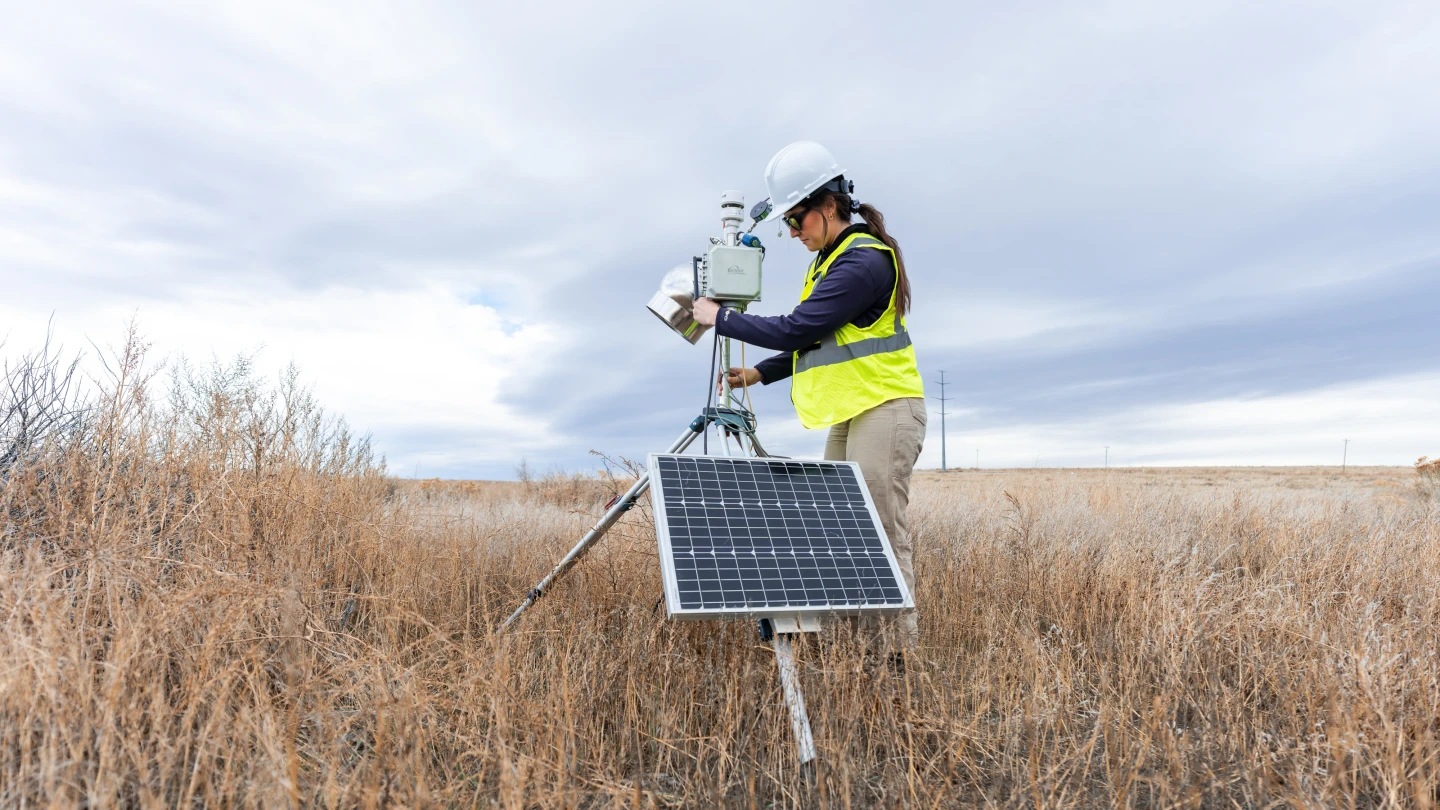
Turning methane insight into measurable environmental progress
Our teams combine advanced sensing technologies, scientific expertise and regulatory insight to help organizations understand methane emissions and strengthen methane management programs and reporting credibility.

End-to-end methane management, at scale
Explore our integrated solutions that support responsible operations across diverse facilities, systems and environments where methane emissions occur.


Health, Safety & Chemistry
Bringing scientific precision to critical decisions


Methane Spotlight


What Alberta’s Updated Pneumatic Pump Rules Mean for Oil and Gas Operators
Biannual inspections, OVG reporting and chemical reconciliation requirements raise the bar for emissions verification

The Strategy Behind OGMP 2.0 Gold Standard Methane Programs
Five foundational pillars to build a methane program that performs under pressure

NSPS Subpart OOOOb: Operational Decisions That Define Oil and Gas Compliance
Adjusted compressor vent rules have changed how operators manage compliance risk, capital planning and emissions oversight

Designing OGMP 2.0 Measurement Campaigns That Deliver Real Reduction
Why methane measurement must be treated as infrastructure, not initiative

New Rules of Methane Accountability: Subpart W and OGMP 2.0 Converge
Why methane inventories are shifting from estimation to measurement

The Role of Stack Testing in OGMP 2.0 Gold Standard
Applying the power of FTIR stack testing to quantify methane slip and reconcile inventories with confidence

Detect What Matters: A Smarter Framework for Methane Management
How integrated measurement strategies turn emissions data into operational decisions
The Strategy Behind OGMP 2.0 Gold Standard Methane Programs
Five foundational pillars to build a methane program that performs under pressure

British Columbia Raises the Bar on Methane Reduction
Updated methane rules require stronger monitoring, tighter venting controls and equipment upgrades

LNG Methane Emissions Measurement & Monitoring
Learn how direct methane measurement across LNG loading, shipping and unloading helps operators strengthen emissions data, compliance and market access.

MiQ 101: Understanding Methane Certification for Natural Gas
How MiQ certification verifies methane performance and strengthens credibility in today’s natural gas market

Federal Methane Rules in 2026: What Oil and Gas Operators Need to Do Now
Operators that act on measurement, documentation and system readiness now will strengthen performance and stay ahead of compliance

Landfill Methane Regulation Is Coming to Canada
With regulations coming in 2028, municipal leaders who act now will shape how landfill methane is managed, not just how it is regulated